When selling an old commercial truck or work van in the Illawarra region, most vehicle owners focus on three key things: getting a fair payout, arranging convenient towing, and clearing valuable space.
At Wollongong Car Removals, we offer straightforward Cash for Trucks Wollongong and Cash for Vans Wollongong options for a wide range of commercial vehicles, including damaged, non-running, or aging fleet models.
However, one major question many sellers forget to ask is: What actually happens after the tow truck leaves?
While improper vehicle handling can lead to environmental issues in our local community, responsible processing ensures materials are recovered safely. In this guide, we explain how our customer collection process works, what factors determine the value of your vehicle, and how proper fluid drainage and metal recovery help protect Wollongong’s environment.
Who Can Use Truck and Van Removal in Wollongong?
Our commercial vehicle recycling and removal options are suitable for various local vehicle owners, including:
- Tradies: Replacing aging utility vehicles or high-mileage work vans.
- Local Businesses: Clearing idle or non-operational delivery vehicles from business sites.
- Workshops & Garages: Freeing up space by disposing of broken-down or written-off commercial vehicles.
- Fleet Operators: Managing the disposal of end-of-life commercial fleets.
- Property Owners: Clearing unwanted trucks or vans taking up space on private land or residential driveways.
How Truck Removal Wollongong Works
Our truck removal process is designed to save local tradies, fleet operators, and property owners time:
- Request a Quote: Call our team or submit your vehicle details online, including the make, model, year, and current condition.
- Vehicle Assessment: We evaluate your vehicle based on its weight, recyclable metal content, intact components, and current market demand.
- Confirm the Offer: If you accept the price provided, we arrange a pickup time and location that fits your schedule.
- Collection & Verification: Towing equipment arrives on-site, verifies the vehicle details, and prepares the vehicle for transport.
- Payment & Documentation: Complete the sale, finalize necessary transfer paperwork, and receive the agreed payment according to confirmed sale arrangements.
- Processing & Recycling: The vehicle is transported for fluid depollution, parts salvage, and metal recovery.
What Determines the Value of Your Truck or Van?
Not all old commercial vehicles carry the same value. When calculating an offer, several factors come into play:
- Make, Model, and Year: Certain commercial models have higher demand for secondary parts or replacement panels.
- Overall Vehicle Condition: Vehicles with undamaged mechanical parts, functional gearboxes, or intact body panels yield higher salvage values.
- Vehicle Size and Weight: Larger commercial trucks and utility vans contain more physical steel and iron, increasing raw scrap value.
- Vehicle Completeness: A vehicle missing major components (like the engine, transmission, or catalytic converter) will be valued differently than a complete vehicle.
- Market Demand: Payouts can vary based on vehicle condition, weight, reusable components, and prevailing market conditions.
Got an unwanted truck or van taking up space?
Send us your vehicle details, condition, and location to discuss your removal options and request a free quote.
What Happens to Your Truck or Van After Removal?
An important part of responsible vehicle removal is what happens after collection. Commercial vehicles carry significantly larger volumes of oils, metals, and industrial materials than passenger cars, requiring structured processing.
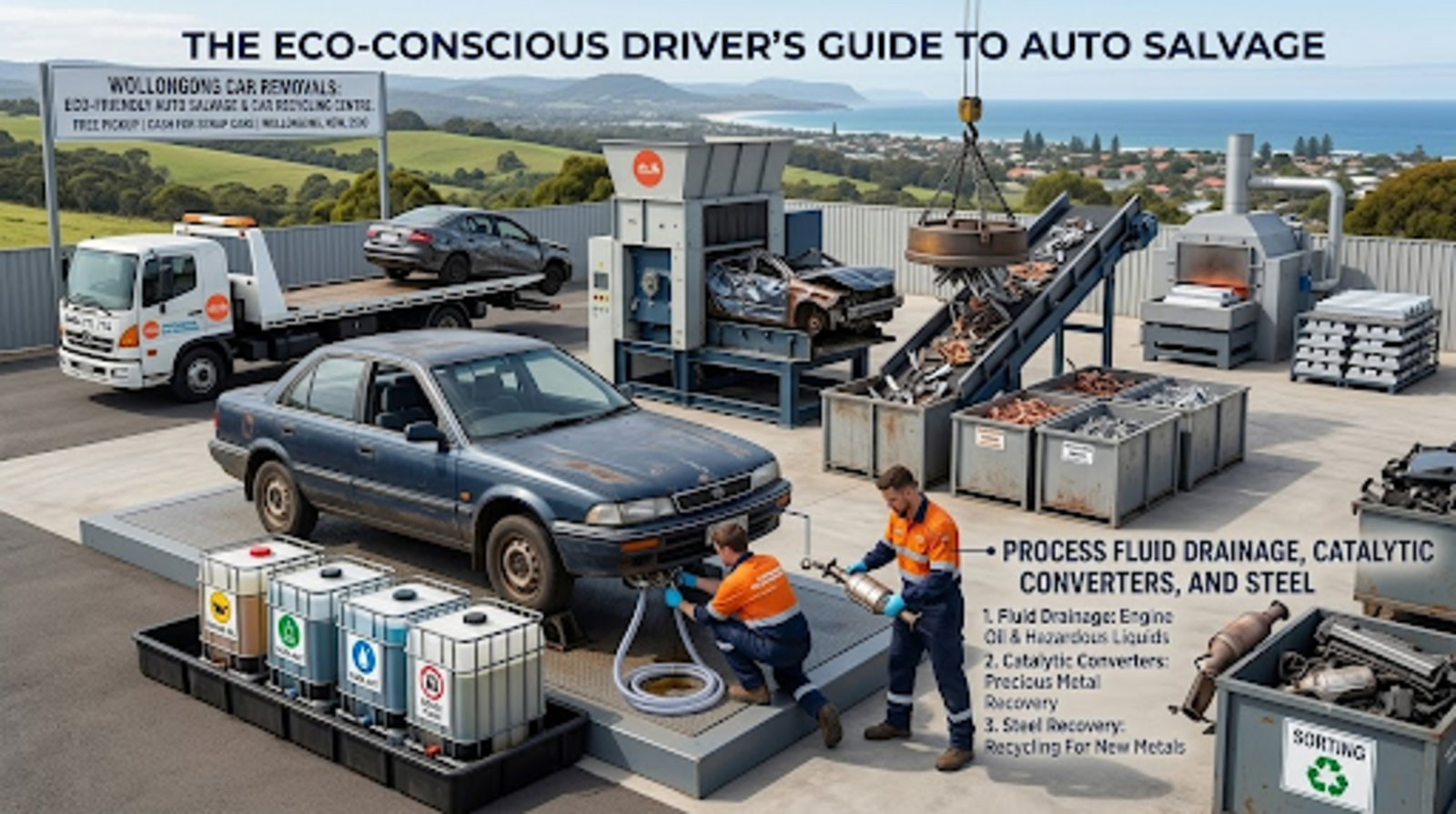
1. Fluid Drainage (Depollution)
Commercial trucks and vans can hold substantial quantities of oil, coolant, fuel, and other fluids. Before dismantling begins:
- Targeted Extraction: Engine oil, transmission fluid, brake fluid, coolant, and remaining diesel or petrol are drained using dedicated extraction systems.
- Contamination Prevention: Because Wollongong sits within a coastal environment with waterways, bushland, and residential areas, proper handling of vehicle fluids is an important part of responsible recycling.
- Safe Waste Handling: Drained fluids and lead-acid batteries are stored securely and routed through appropriate waste-management channels.
2. Reusable Parts & Component Recovery
Once depolluted, vehicles are inspected for functional components:
- Mechanical Salvage: Functional components may be assessed for potential reuse, secondary supply, or specialist recycling.
- Component Separation: Where fitted, catalytic converters and emission control units contain industrial metals such as platinum or palladium. These components are separated for specialized recycling to reduce the demand for new raw metal mining.
3. Metal Separation & Recycling
After usable parts and fluids are removed, the remaining structural frame is processed for metal recycling:
- Compacting & Sorting: The remaining metal frame may be compacted, sorted, and processed through specialist recycling facilities to separate ferrous steel from non-ferrous metals like copper and aluminum.
- Smelting: Recovered metals are supplied to steel mills for reprocessing. Recycling steel generally requires significantly less energy than producing new steel from virgin iron ore.
Cash for Vans Wollongong for Old Work Vehicles
Utility vans, delivery vehicles, and trade vans often endure heavy daily wear and tear. Over time, maintaining an aging work van can cost more than the vehicle itself is worth.
Through our Cash for Vans Wollongong service, local businesses, tradies, and commercial operators can clear broken-down or high-mileage vans off their property. Removing an idle van from a workshop, depot, or home driveway frees up vital space while turning an unused asset into capital.
Frequently Asked Questions
How much can I get for an old truck or van in Wollongong?
Payouts vary depending on the vehicle’s weight, overall condition, completeness, and prevailing market rates. Contact our team with your vehicle details for an accurate, tailored quote.
Do I need to drain vehicle fluids before pickup?
No. You do not need to drain oil, fuel, or coolant before collection. Fluid extraction and handling are managed using appropriate equipment once the vehicle is collected.
Do you buy damaged or non-running trucks?
Yes. We buy a wide range of commercial vehicles, including damaged, non-running, rusted, and written-off models.
What paperwork do I need to prepare before selling?
Requirements can vary depending on the vehicle and its registration status. Have your identification and available ownership/registration documents ready, and our team can explain what is needed for the sale.
How quickly can you collect a vehicle in Wollongong+?
Same-day or next-day collection may be available depending on your location, vehicle size, and daily towing schedules across Wollongong and surrounding Illawarra suburbs.
Are there extra charges for vehicle towing?
Free towing may be available when your vehicle meets our collection and purchase criteria. Confirm the final arrangements and towing details when receiving your quote.
Ready to Sell Your Old Truck or Van?
Clear space on your site and turn your old commercial vehicle into cash. Contact Wollongong Car Removals to discuss your truck or van and request a quote.